Is Stretch Therapy Effective? How It Works, Who It Helps, and When You’ll See Results
If you’ve ever wondered “is stretch therapy effective?”, you’re not alone. Many people try stretching at home, feel little to no improvement, and assume stretching simply doesn’t work. In reality, the effectiveness of stretch therapy depends on how it’s done, how consistently it’s applied, and whether it’s guided by a trained professional. Assisted stretch therapy has grown rapidly in popularity because it delivers results that traditional self-stretching often cannot. This article explains how stretch therapy works, what science says about its effectiveness, who benefits most, and how long it takes to see real improvements.
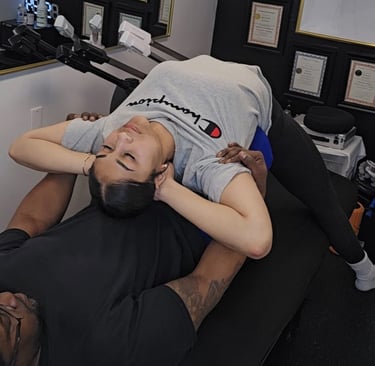
What Is Stretch Therapy?
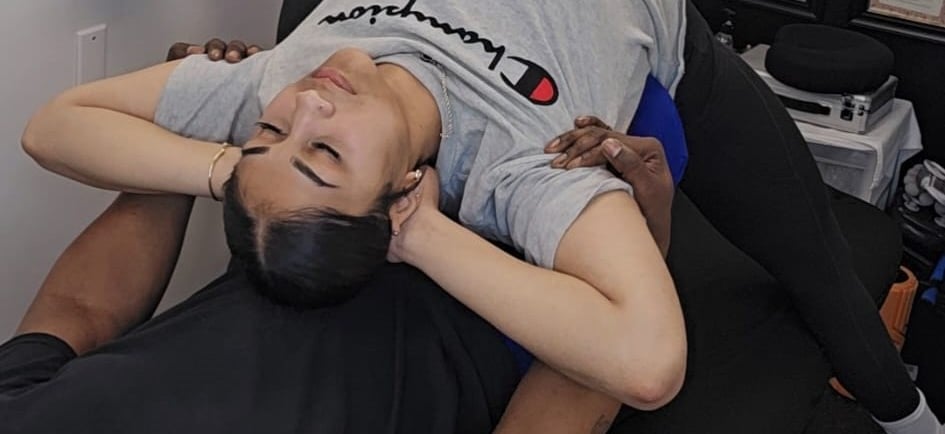
Stretch therapy is a structured, intentional approach to improving muscle flexibility, joint mobility, and overall movement. Unlike casual stretching, it focuses on:
Proper joint positioning
Controlled muscle lengthening
Nervous system relaxation
Balanced movement patterns
In assisted stretch therapy, a trained therapist guides your body through stretches you cannot safely or effectively perform on your own. This professional assistance is what makes stretch therapy far more effective than basic stretching routines.
Is Stretch Therapy Effective According to Science?
Yes — research consistently shows that guided stretching improves range of motion, reduces muscle stiffness, and supports pain reduction when done correctly and consistently.
Stretch therapy is effective because it works on:
Muscle fibers
Connective tissue (fascia)
Joint capsules
The nervous system
Many people think tight muscles are the problem, but in reality, the nervous system often restricts movement as a protective response. Assisted stretch therapy helps signal safety to the body, allowing muscles to relax and lengthen more deeply.
This is why people often feel immediate improvement after a session.
Why Stretch Therapy Works Better Than Stretching Alone
If you’ve tried stretching at home and asked yourself “is stretch therapy effective if I already stretch?”, the answer lies in depth and control.
Self-stretching is limited by:
Poor technique
Limited leverage
Inconsistent effort
Fear of pushing too far
Assisted stretch therapy solves this by:
Applying precise pressure
Stabilizing joints properly
Allowing deeper stretches safely
Keeping the body relaxed
The result is faster progress with less risk of injury.
Who Benefits Most From Stretch Therapy?
Stretch therapy is effective for a wide range of people, not just athletes.
Office Workers & Sedentary Lifestyles
Long periods of sitting cause shortened hip flexors, hamstrings, and tight shoulders. Stretch therapy restores mobility and posture.
Athletes & Active Individuals
Stretch therapy improves performance, speeds recovery, and reduces injury risk by maintaining healthy movement patterns.
People With Chronic Tightness or Pain
If massage or exercise hasn’t helped long-term, stretch therapy can address deeper restrictions that other treatments miss.
Aging Adults
As we age, joints naturally lose mobility. Stretch therapy helps maintain independence and daily movement quality.
How Long Does It Take to See Results?
One of the most common questions after “is stretch therapy effective?” is how fast does it work?
After 1 Session
Increased range of motion
Reduced stiffness
Improved posture awarenes
After 3–5 Sessions
Noticeable flexibility improvements
Less daily discomfort
Better movement during workouts or work
After 8–12 Sessions
Long-term mobility changes
Reduced injury risk
Improved overall body balance
Consistency is the key factor in effectiveness.
Is Stretch Therapy Safe?
Yes, when performed by trained professionals. Stretch therapy is:
Low impact
Controlled and gradual
Adaptable to injuries or limitations
Suitable for most ages
Communication during the session ensures stretches stay within safe limits.
When Stretch Therapy May Not Be Enough Alone
Stretch therapy is effective, but it’s not a cure-all. It works best when combined with:
Proper hydration
Light movement or exercise
Postural awareness
Recovery habits
For serious injuries or medical conditions, it should complement professional medical care.
Final Answer: Is Stretch Therapy Effective?
Yes — stretch therapy is highly effective when done correctly, consistently, and with professional guidance. It improves mobility, reduces stiffness, enhances movement quality, and supports long-term physical health.
If traditional stretching hasn’t worked for you, that doesn’t mean stretching is ineffective — it means your body needs a more guided approach.
Assisted stretch therapy bridges the gap between basic stretching and advanced body care, helping people move better, feel lighter, and live more comfortably.